−12%
Briarwood: handmade pipes and pipe accessories

FROM WORKSHOP TO COLLECTION
Handmade pipes for a quiet desk
Mediterranean briar and Eskisehir meerschaum. Every pipe is turned and polished one at a time and arrives in its own box.
See the collectionPIPE SHAPE GUIDE
Which shape suits you?
Choosing a pipe starts with its shape. Tap a shape to see its profile, how it feels in the hand and the pipe we make in it.
Billiard
The bowl and shank sit on one straight line. The clean, balanced outline most people picture when they think of a pipe, neat on the desk and in the hand.
- Profile
- Straight
- In the hand
- Light and balanced
- Suits
- The safest choice for a first pipe
In this shapeClassic Billiard Briar Pipe€57.99Full bent
The stem curves into an S, so the weight sits in your palm rather than on your jaw. Comfortable to hold while you read or work.
- Profile
- Curved
- In the hand
- Medium, rests in the hand
- Suits
- Anyone who holds a pipe for long spells
In this shapeFull Bent Briar Pipe€64.99Churchwarden
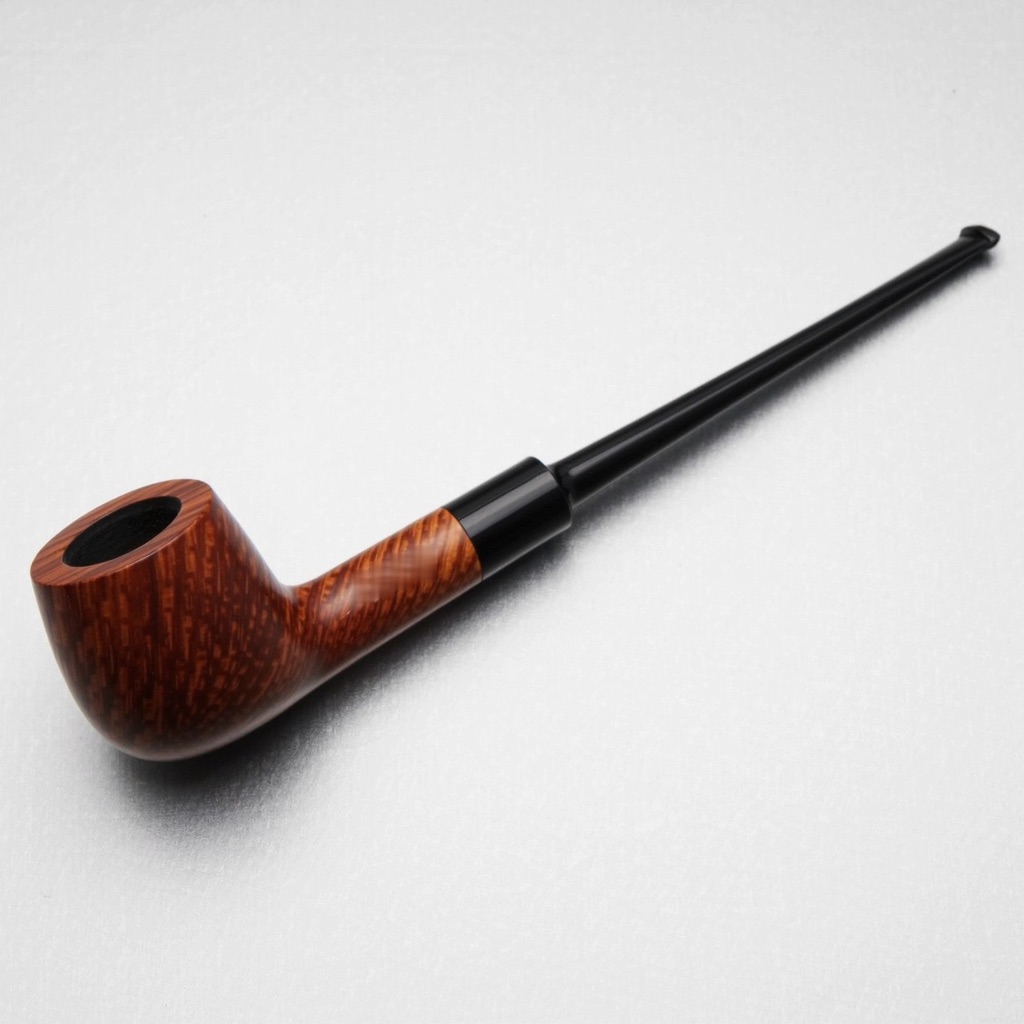
A small bowl on a very long, slender stem. Descended from old reading pipes, it is an elegant and eye-catching collector's piece.
- Profile
- Long, gently sloping
- In the hand
- Light but long
- Suits
- Collectors and lovers of detail
In this shapeChurchwarden Long Pipe€73.99Apple
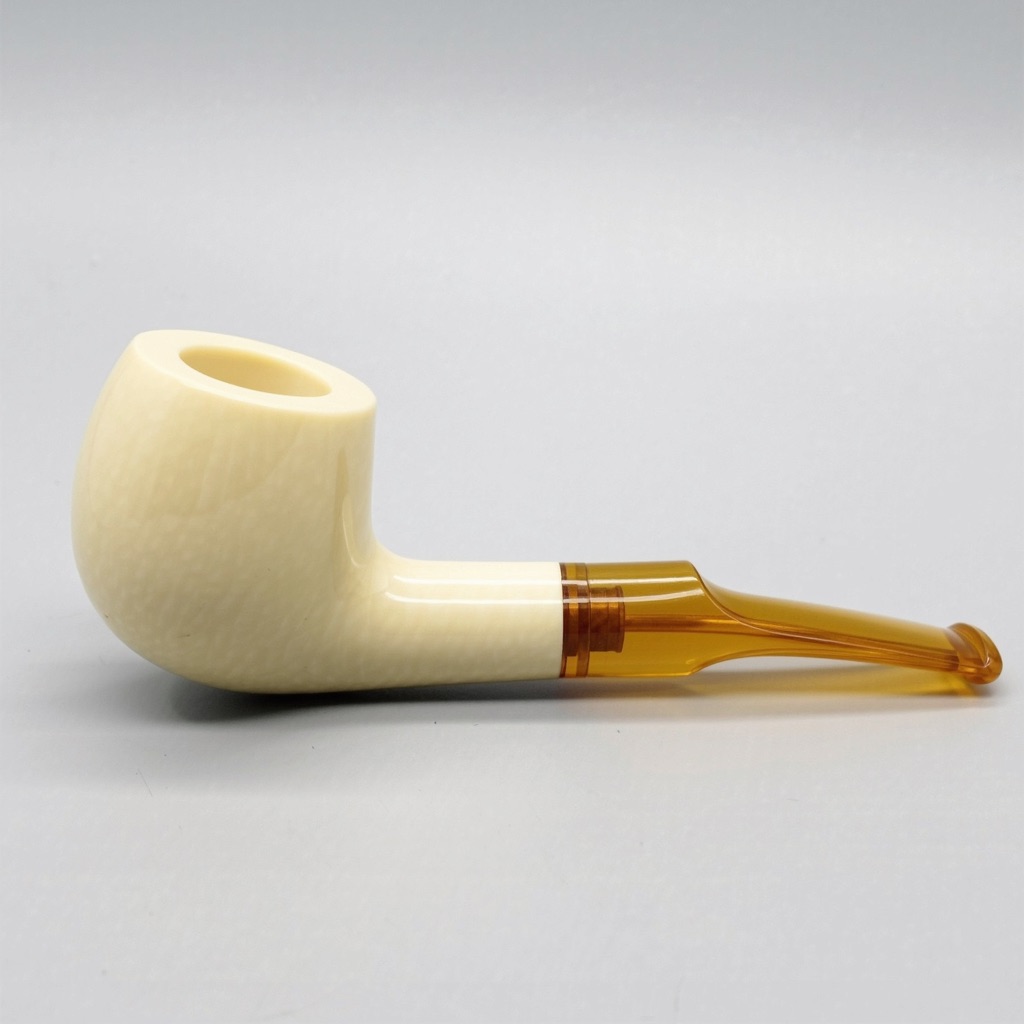
A round, softly shaped bowl that feels full and warm in the palm. One of the most popular forms in meerschaum.
- Profile
- Straight or slightly bent
- In the hand
- Full and soft
- Suits
- Those who like a rounded feel
In this shapeMeerschaum Apple Pipe€94.99Bulldog
Angular shoulders, twin rings around the top of the bowl and a diamond shank. A bold, decisive outline. The figural pipe from our workshop is a playful take on the name.
- Profile
- Short and compact
- In the hand
- Medium and solid
- Suits
- Those after a pipe with character
In this shapeHand-Carved Bulldog Figural Pipe€88.99Dublin
A conical bowl that widens towards the rim. The wide top makes it easy to see inside and to clean: simple but assured.
- Profile
- Straight or half bent
- In the hand
- Light
- Suits
- Fans of a clean line
We have no pipes in this shape right now. Subscribe to the workshop letter to hear first about new pipes.
FRESH FROM THE WORKSHOP
Pipes that left the bench this month
MATERIAL
Briar or meerschaum?
Two materials, two characters. Knowing the difference is half of finding the right pipe.
Briar
Root of the Mediterranean heath. Hard, heat-resistant, and the grain is different on every pipe.
- Weight
- 38–60 g
- Texture
- Grained wood, polished or sandblasted
- Over time
- The finish deepens and darkens
- Care
- A soft cloth and the odd coat of wax
Meerschaum
A white, light, porous mineral from Eskisehir. Shaped by hand and finished with beeswax.
- Weight
- 28–40 g
- Texture
- Smooth, warm, ivory
- Over time
- Slowly turns a honey colour
- Care
- Handle with clean, dry hands
THE CARE TABLE
A good pipe is a well-kept pipe
A pipe that rests on a stand, travels in a case and is wiped down regularly stays like new for years. Four pieces to go with your first pipe.
- Leave the pipe upright on a stand after each use.
- Wipe it with a soft cloth weekly and wax it monthly.
- Always carry it in its case.
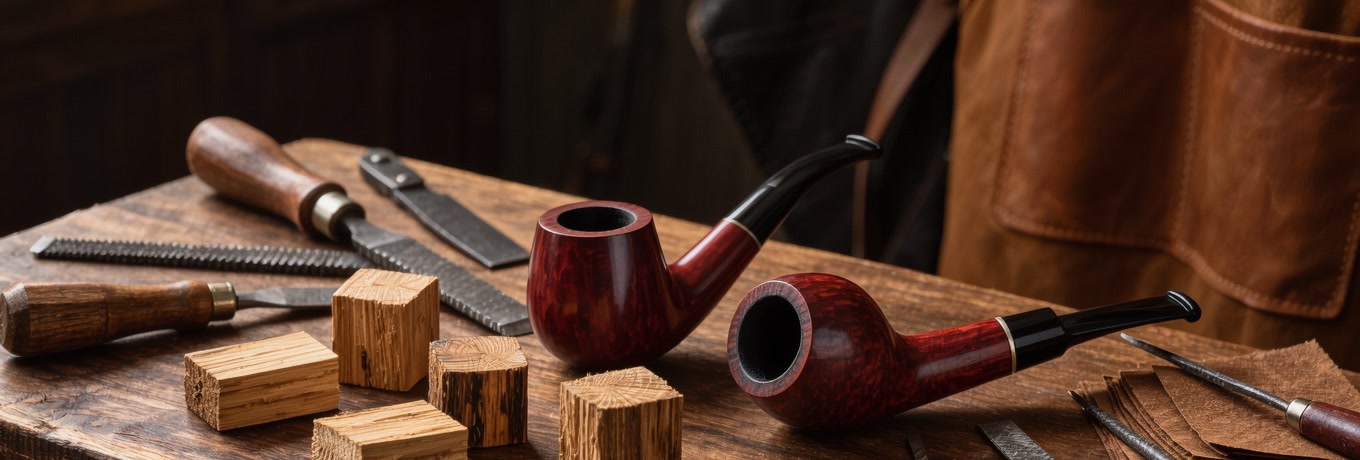
Our Kadikoy workshopHOW A PIPE IS MADE
One pipe, four stages, several days
Choosing the root
Briar blocks are cut, boiled and left to dry for two years.
Turning
Bowl and shank are shaped on the lathe by hand, following the grain.
Sanding
The surface is smoothed through six grades of paper.
Stain and polish
A natural stain, then carnauba wax, and the pipe goes into its box.
COLLECTOR'S NOTES
Short notes on the world of pipes
Care4 min read
The first week: caring for a new pipe
A five-minute care routine with a stand, a cloth and some wax.
Material5 min read
Why does meerschaum change colour over time?
Beeswax, the natural oils in your hands and the years: the story of patina.
Collecting6 min read
Starting a collection: your first three pipes
A billiard, a bent and a surprise. Why in that order?